
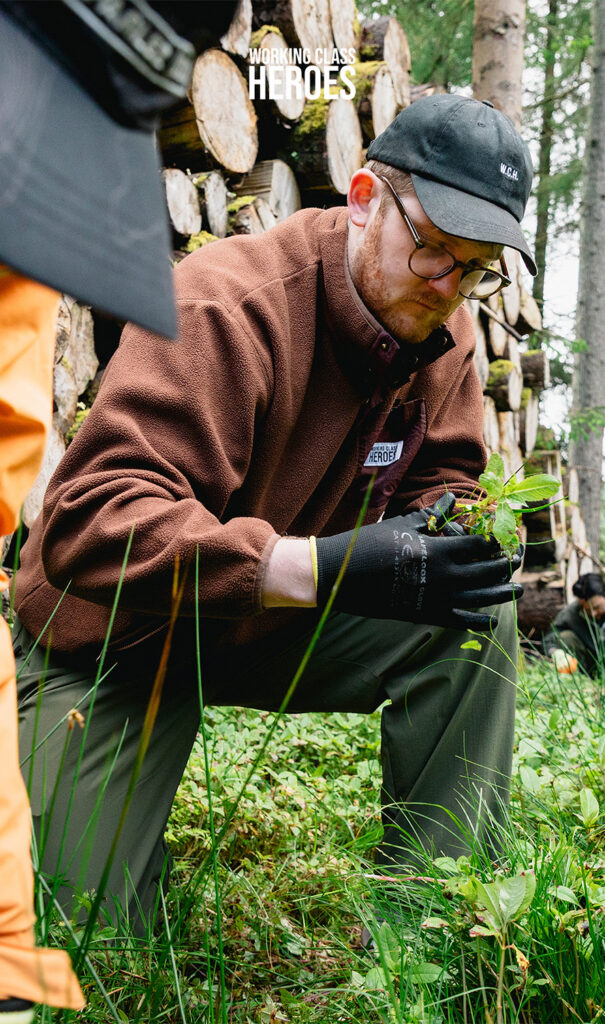
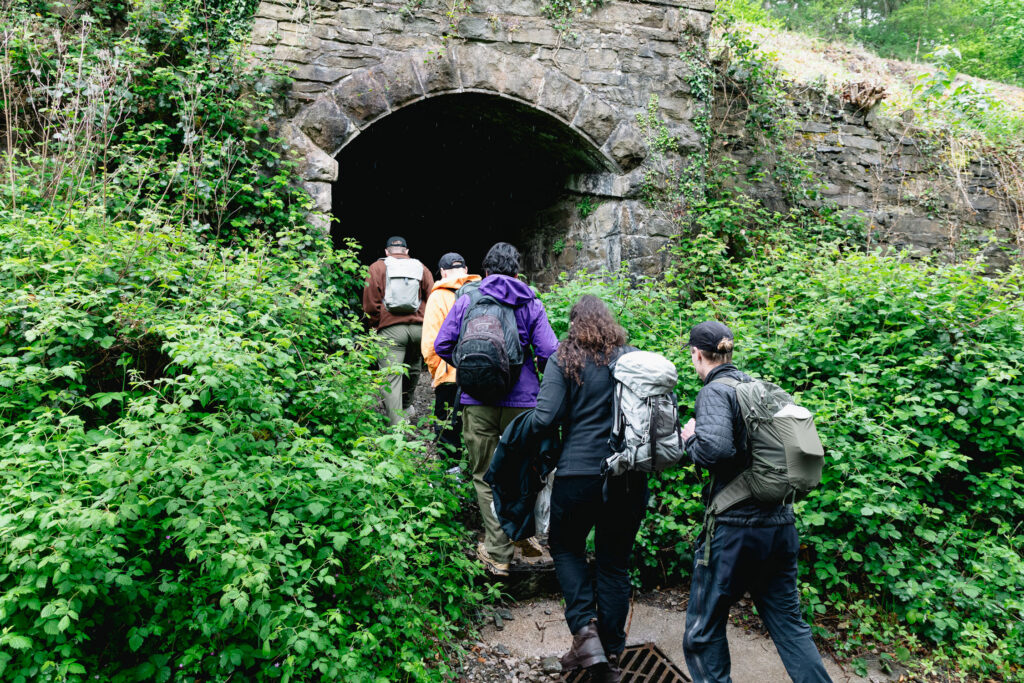
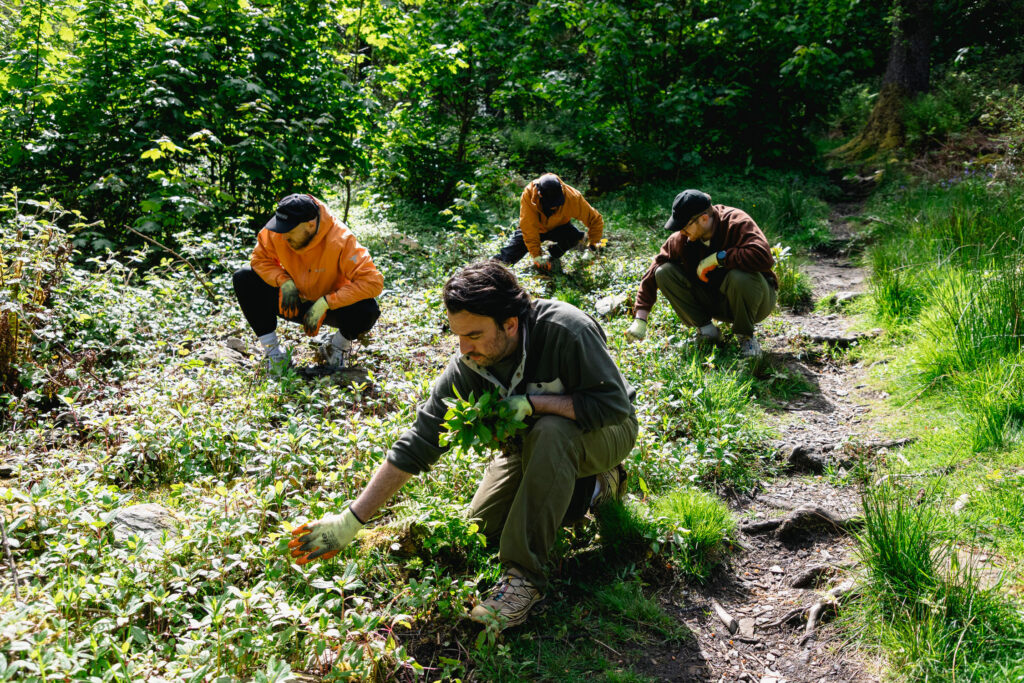
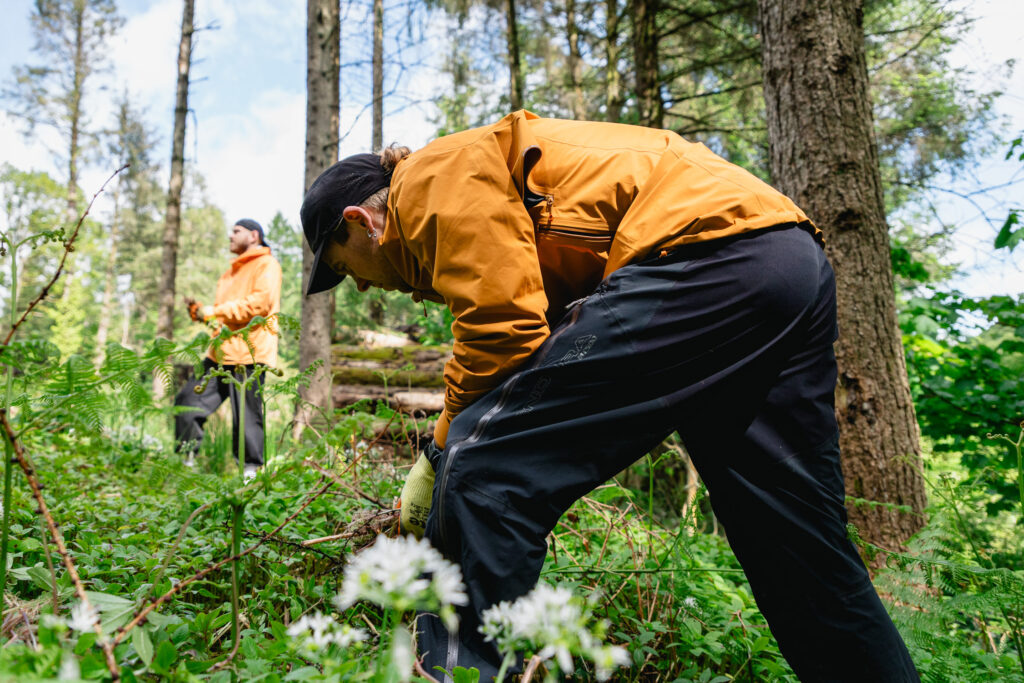
Last week, we swapped the office for the woods and returned to a site we first visited in 2025 to continue removing Himalayan balsam — an invasive plant that threatens our native and ancient woodlands.
After meeting up with Olivia from the Lake District National Park and Ewan from Cumbria Woodlands, we had a quick refresher on how to identify the plant and the best way to remove it.
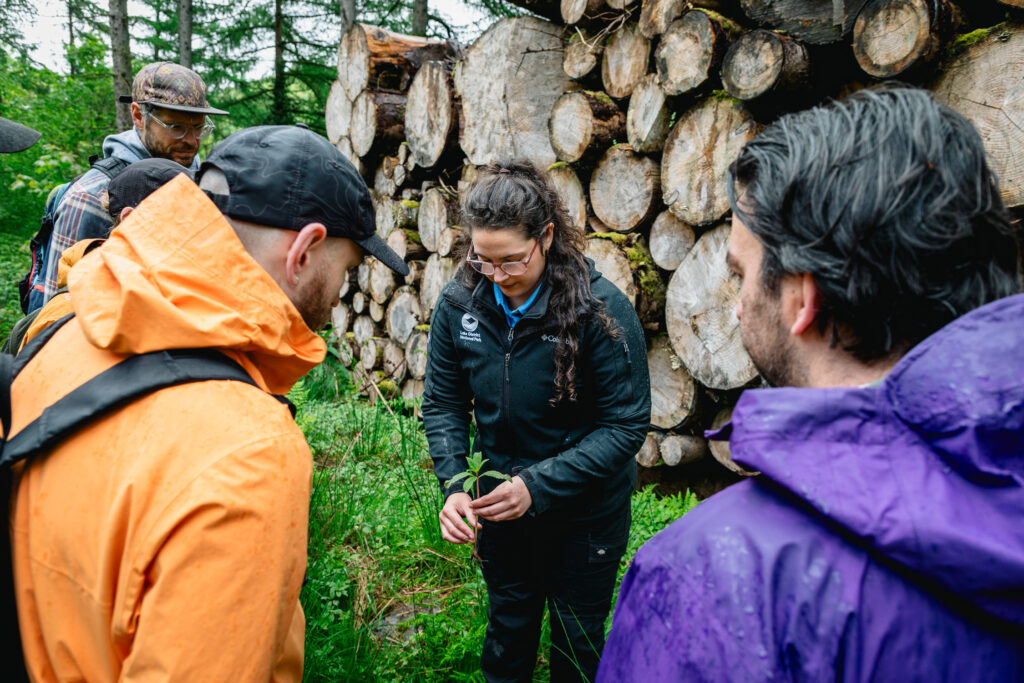
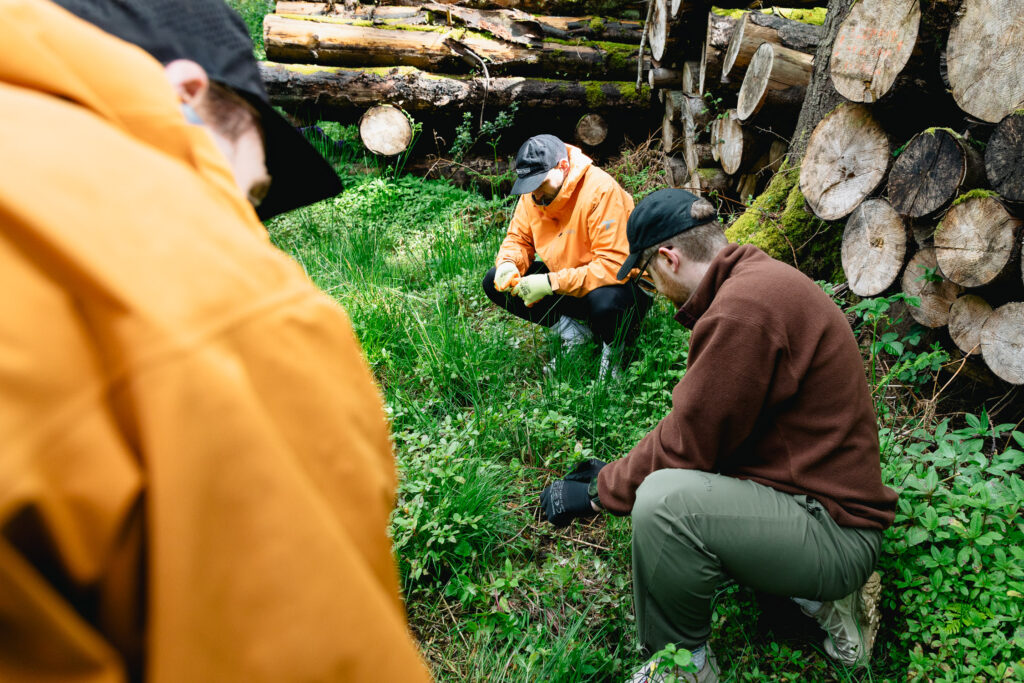
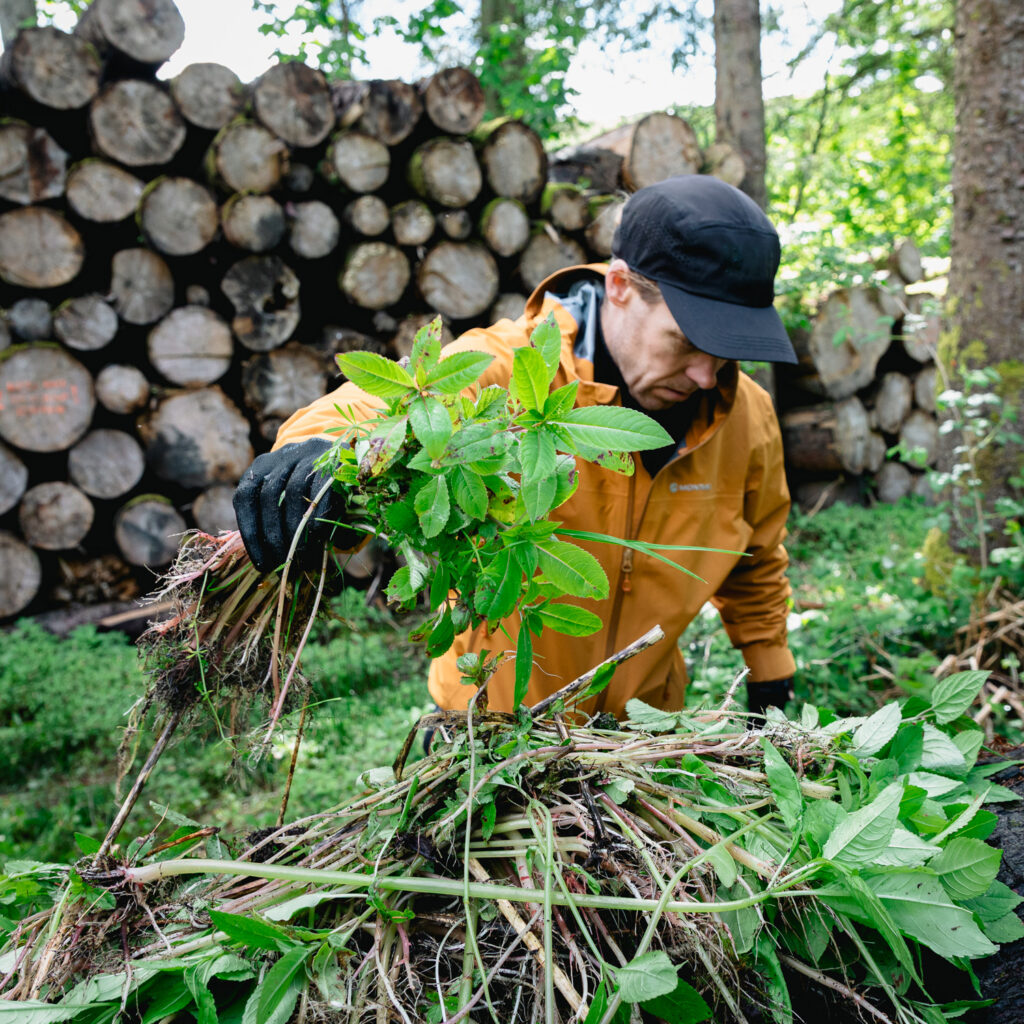
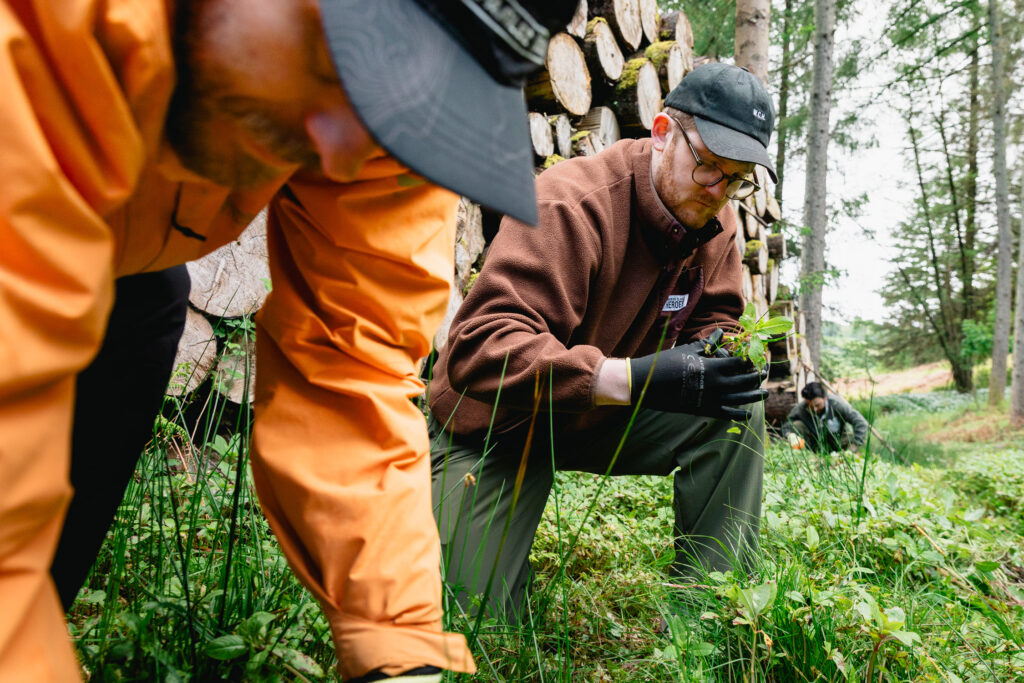
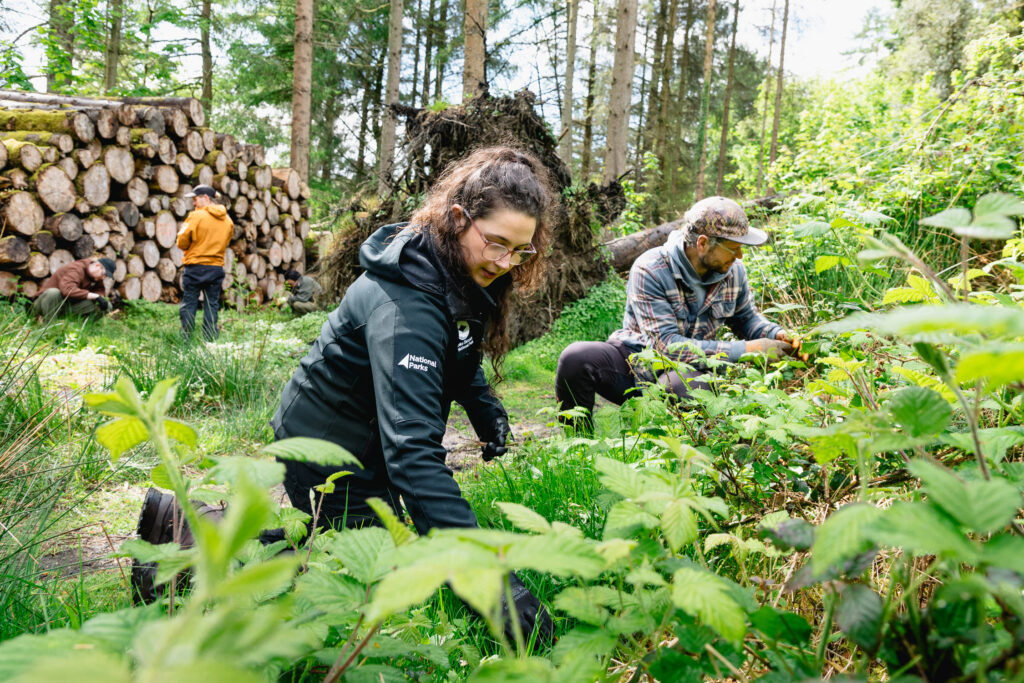
Introduced by the Victorians in 1839, Himalayan balsam is an invasive plant that can dominate and outcompete our native woodland species. It grows quickly and spreads easily thanks to its exploding seed pods, which can scatter seeds over a wide area. Much in the same way that bracken can dominate and out compete natural woodland species the balsam can do the same, blocking out light and restricting the growth of native flora. In our attempt to help our native woodlands in the UK it is important to remove this invasive plant to give our native species the best chance to thrive.
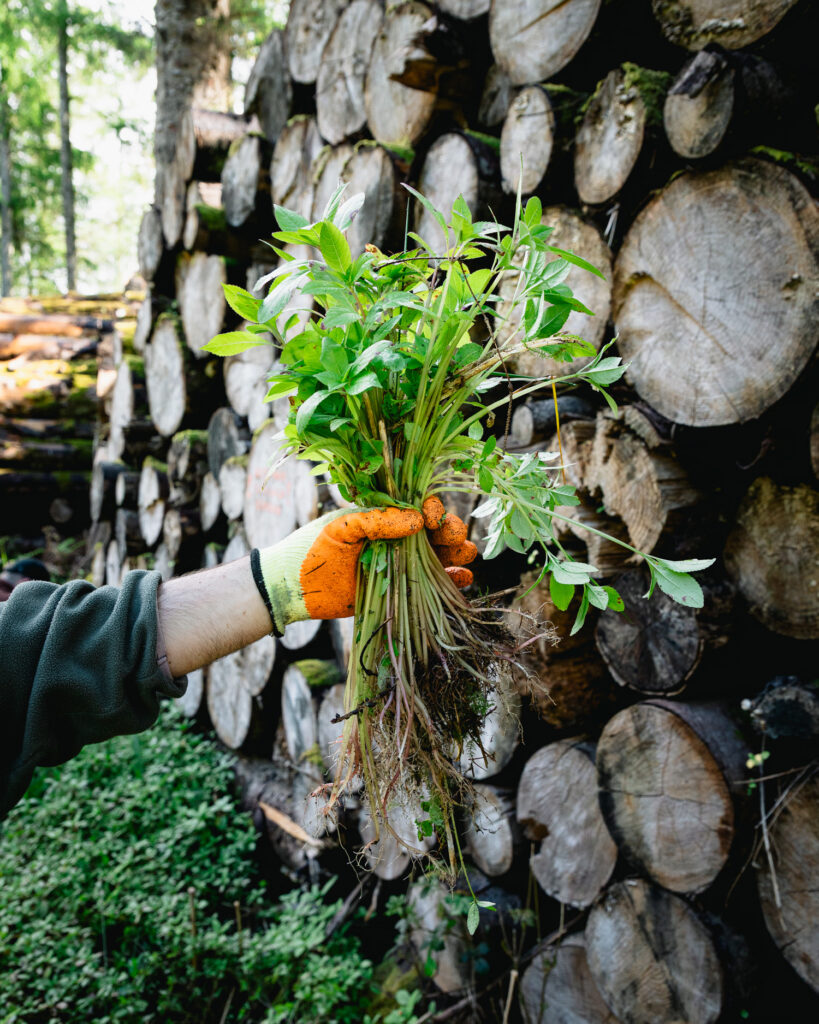
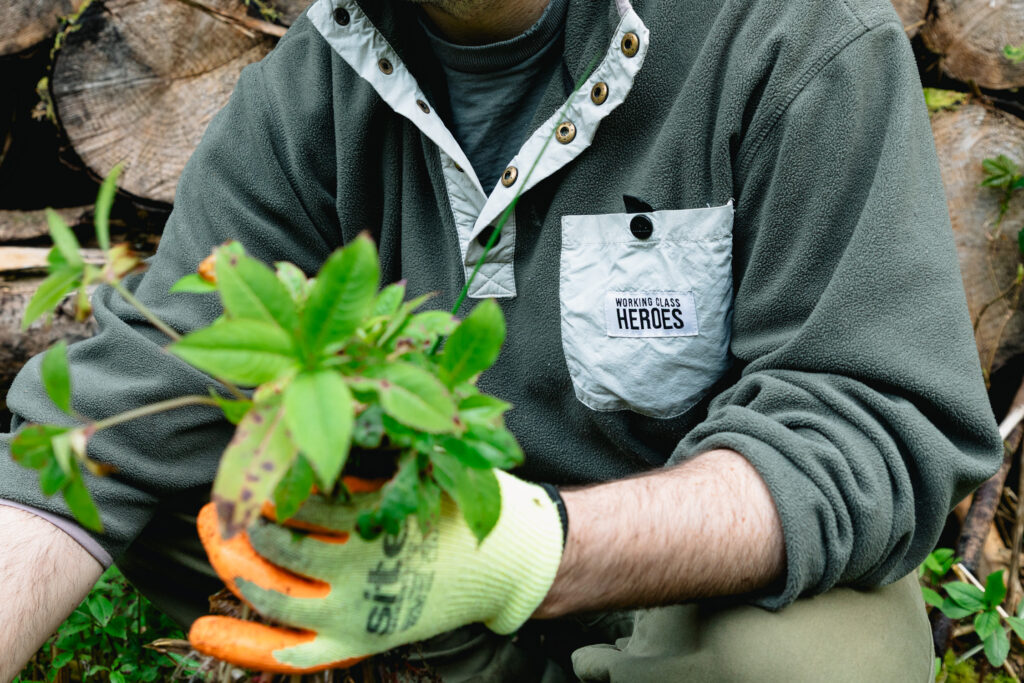
When we visited this site in July 2025, the balsam had already matured and started flowering. That meant we had to be more careful in removing it to avoid bursting the seed pods and spreading more seeds. This time, however, the plants were still in their early stages of growth, with no seed pods yet developed. That allowed us to work much faster and clear large areas without worrying about spreading the plant further.
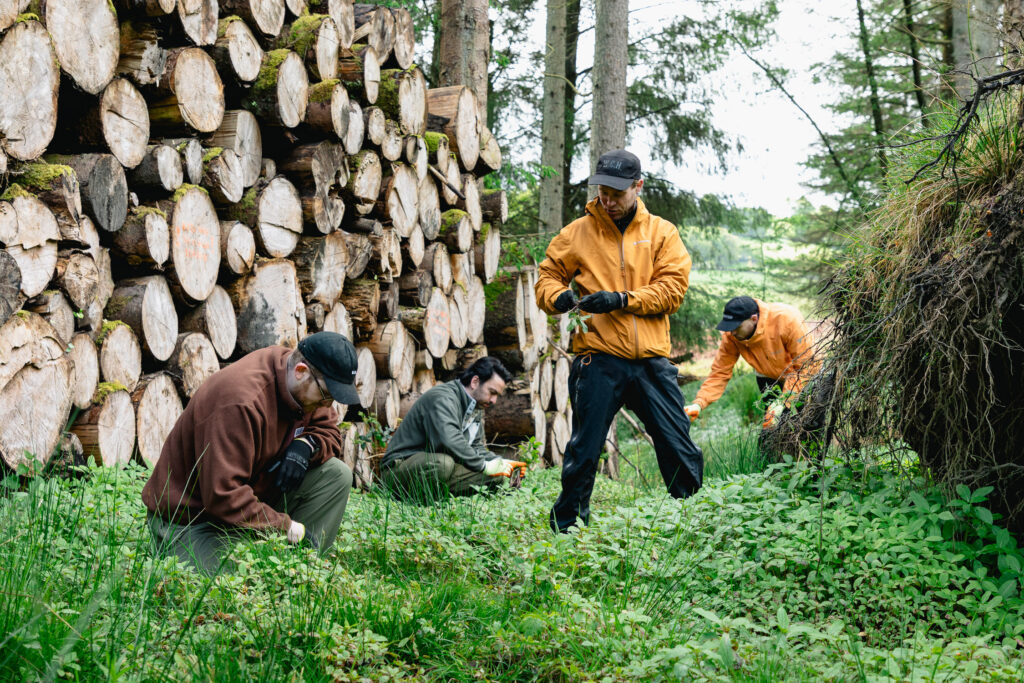
Our approach this time was to get stuck in and remove as many plants as possible across the widest area, rather than focusing on pulling every single one. While this means some plants may remain, it greatly reduces the number able to flower and spread later in the season. We also intend to return to this area at a later point in the year to remove the leftover plants.
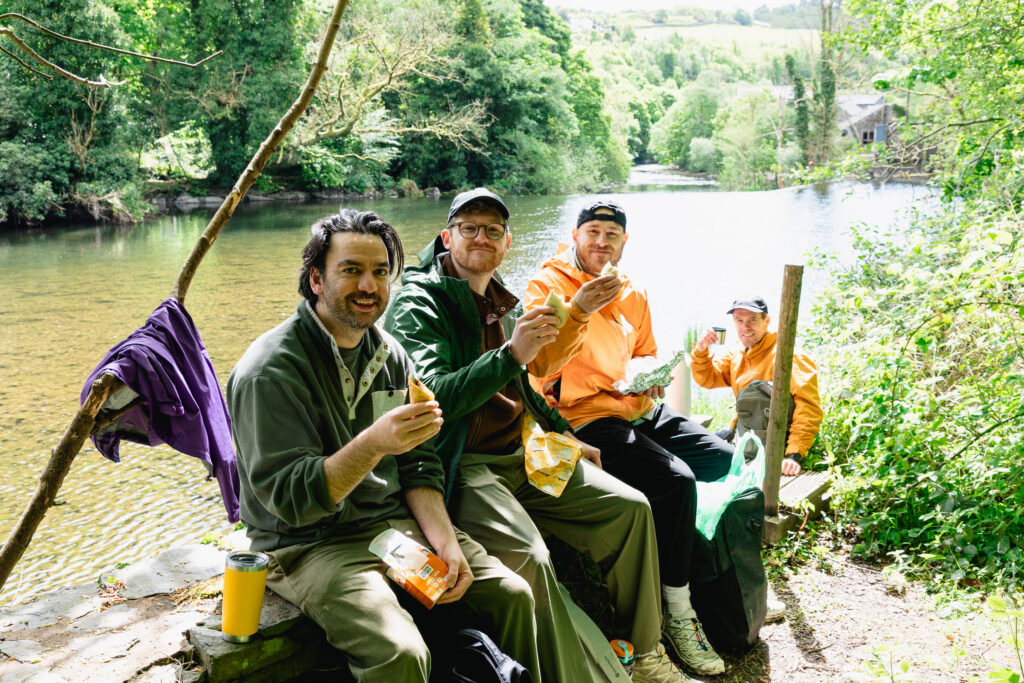
Lunch by the river, what more can you ask for?
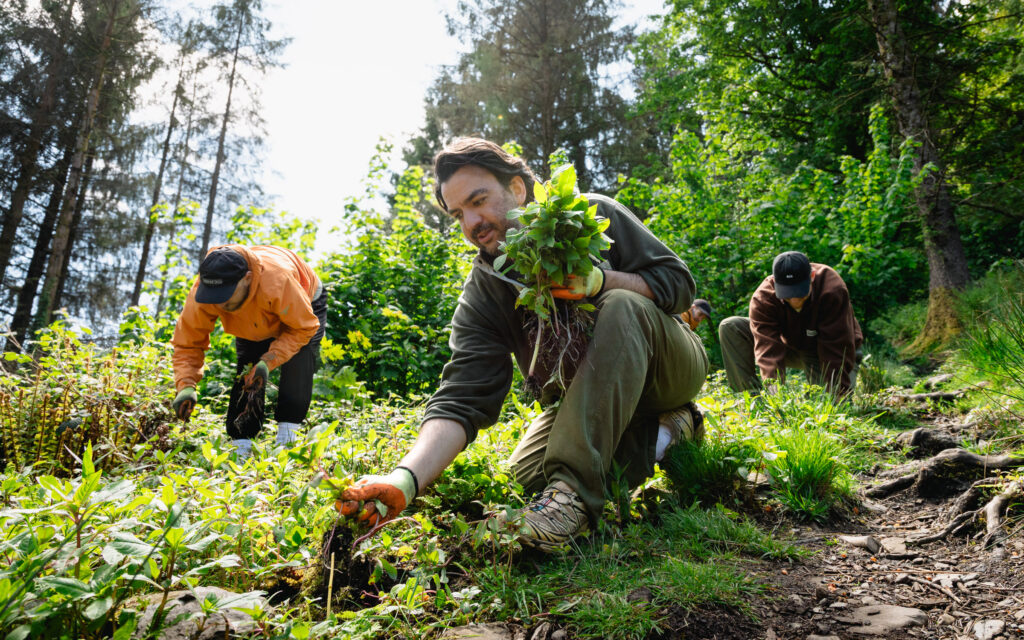
One encouraging sign was that the area we focused on during our previous visit was noticeably less dense with balsam, making it much easier to manage. By returning year after year, the goal is to gradually reduce and eventually remove Himalayan balsam from the area completely.
Our previous day in this area spent bashing balsam can be found here.
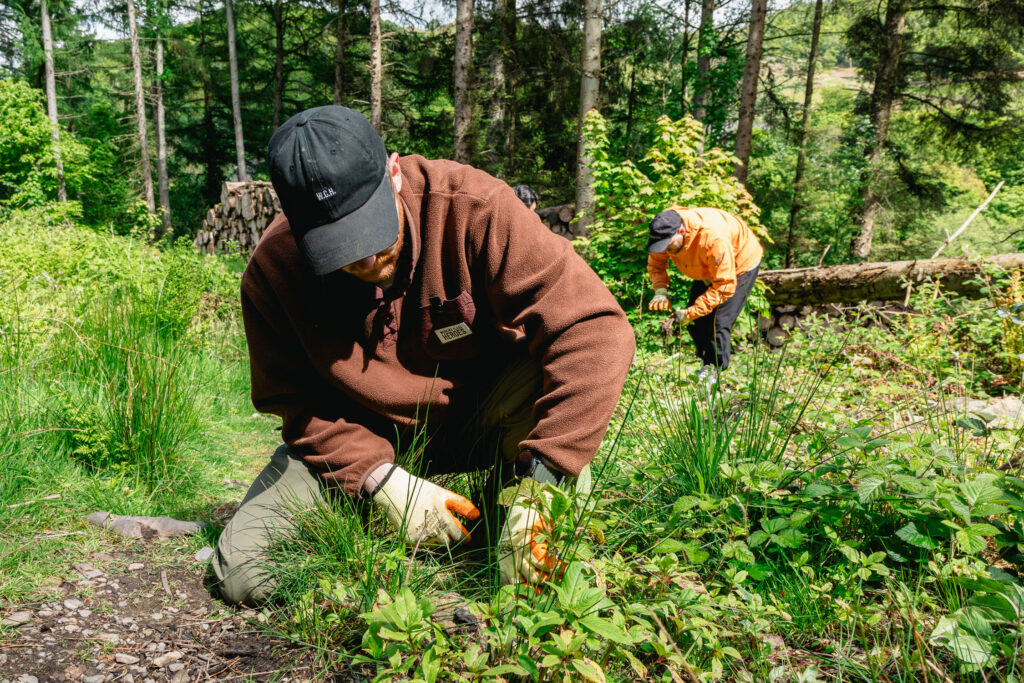
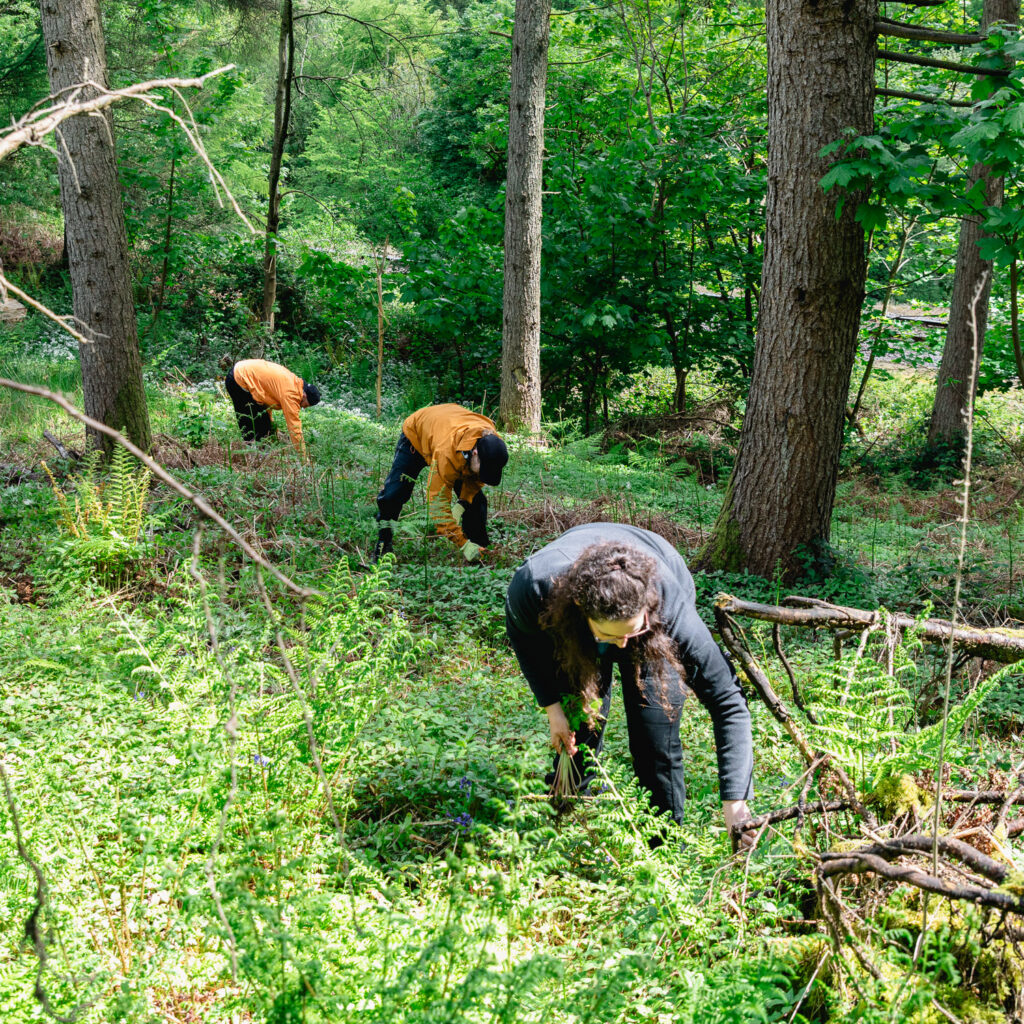
A big thanks to the guys at Cumbria Woodlands and The Lake District National Park for their continued help with our environmental work.
You can find more of our woodland projects at the link below.
