

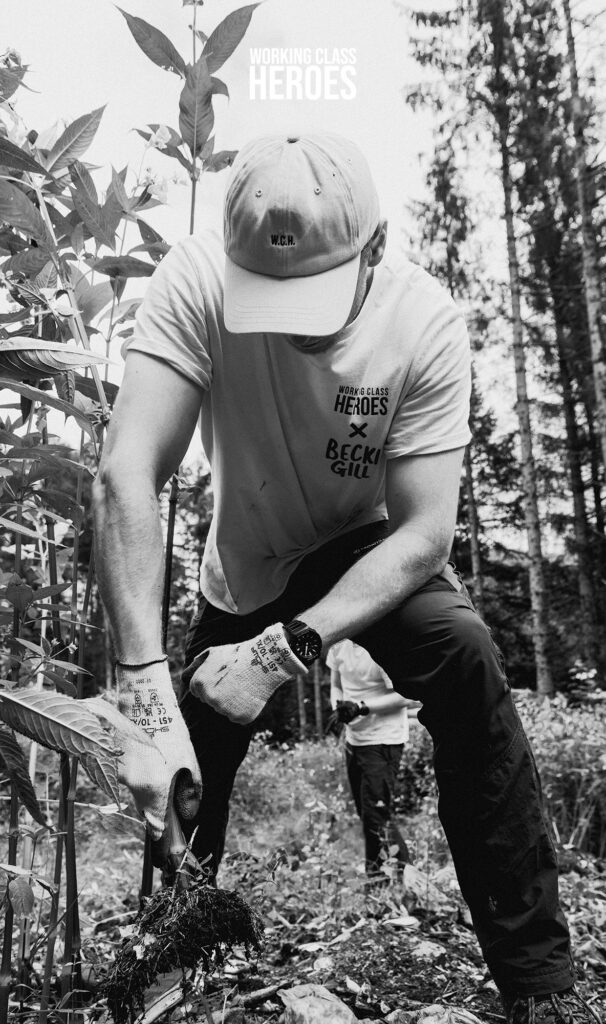
We’re back in the woods again (we can’t keep ourselves away) with the help of Olivia from The Lake District National Park. Our task this time is to help get rid of some invasive Himalayan Balsam, a plant that much like bracken which we have bashed in the past can outcompete native woodland species.
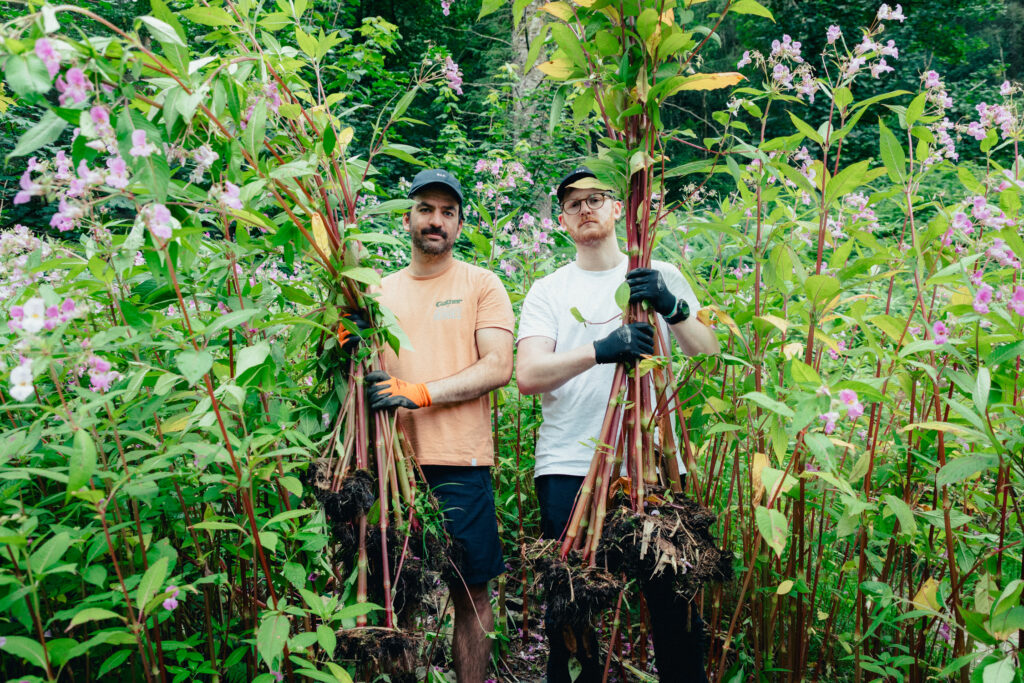
Himalayan balsam was introduced by the Victorians as a garden plant in 1839 but soon escaped and found its footing in wet areas such as river banks and woodlands. It’s a fast growing invasive plant that can spread quickly thanks to the design of its seed pods which explode, sending its seeds flying. In areas such as riverbanks these seeds can be easily carried downstream causing further dispersal.
Without the natural biological controls of its native habitat, balsam soon spread out of control and especially in the last 50 years has become a real menace to conservationists across the country.
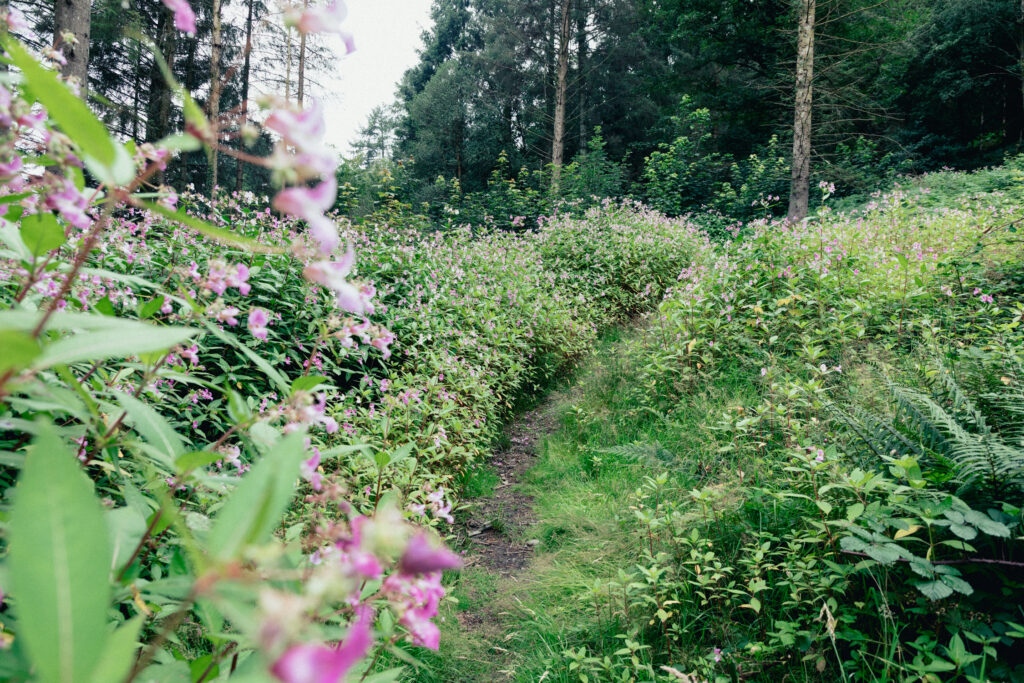
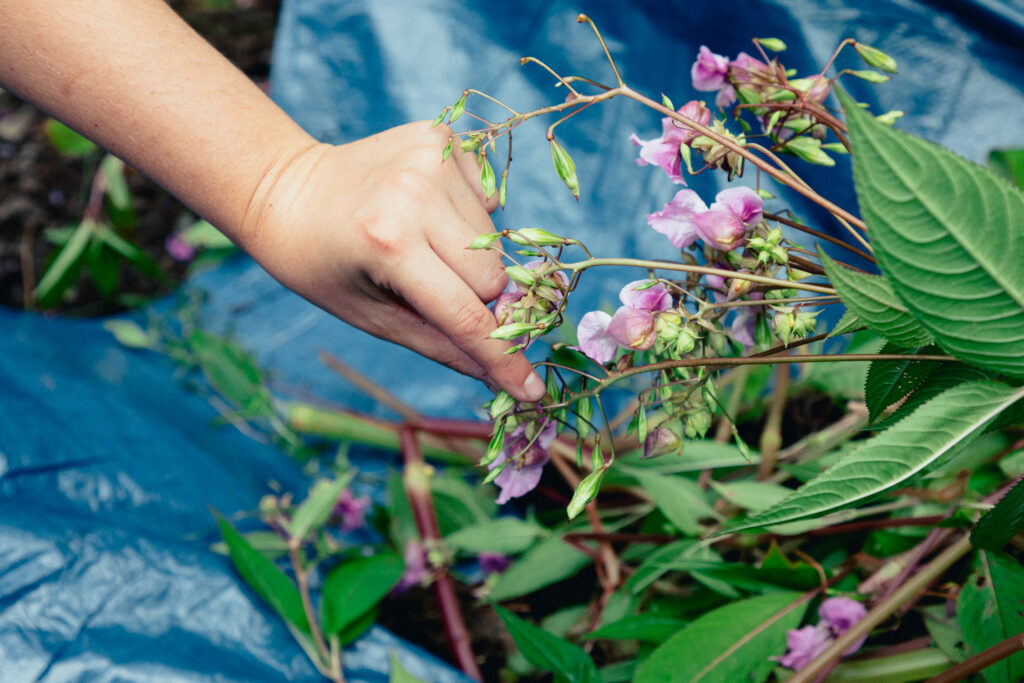
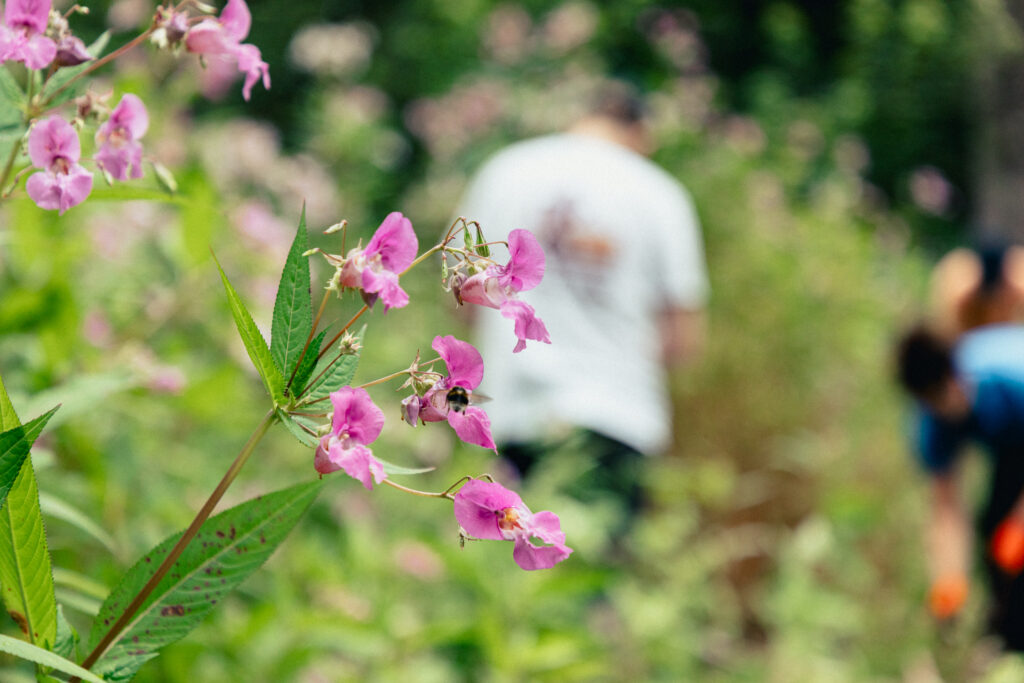
How to identify? Himalayan Balsam is a plant that’s easy to identify, with large pink flowers shaped like a bonnet along with hanging green seed pods. It’s easy to see why the Victorians brought them over for use in their gardens.
It can be found mostly in England, Wales and Northern Ireland with some scattered populations of the plant found in Scotland. Sometimes referred to as ‘Indian balsam’, Himalayan balsam is originally from the Himalayas.
Much in the same way that bracken can dominate and out compete natural woodland species the balsam can do the same, blocking out light and restricting the growth of native flora. In our attempt to help our native woodlands in the UK it is important to remove this invasive plant to help our native species thrive.
How to control Himalayan Balsam? There are a few different ways to control and manage the spread of balsam. The best time to cut down or remove the plant is around May to early July, before the seed pods appear. Without the seed pods in the picture you don’t have to be as careful when removing the plant.
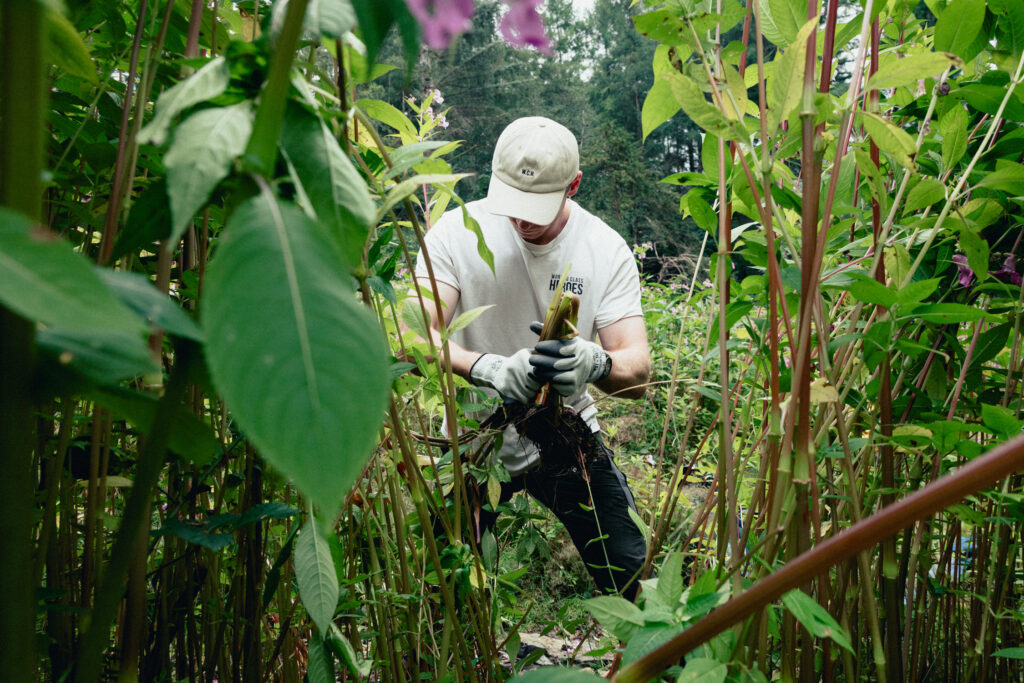
The main methods for removal are cutting the plant or pulling it out. Much like bracken bashing the stems can be broken to kill the plant and stop any regrowth for the season. Due to the plant’s shallow roots you can also pull the entire plant from the ground which is the method we used, this means that there is no chance the plant will be able to grow back next year.
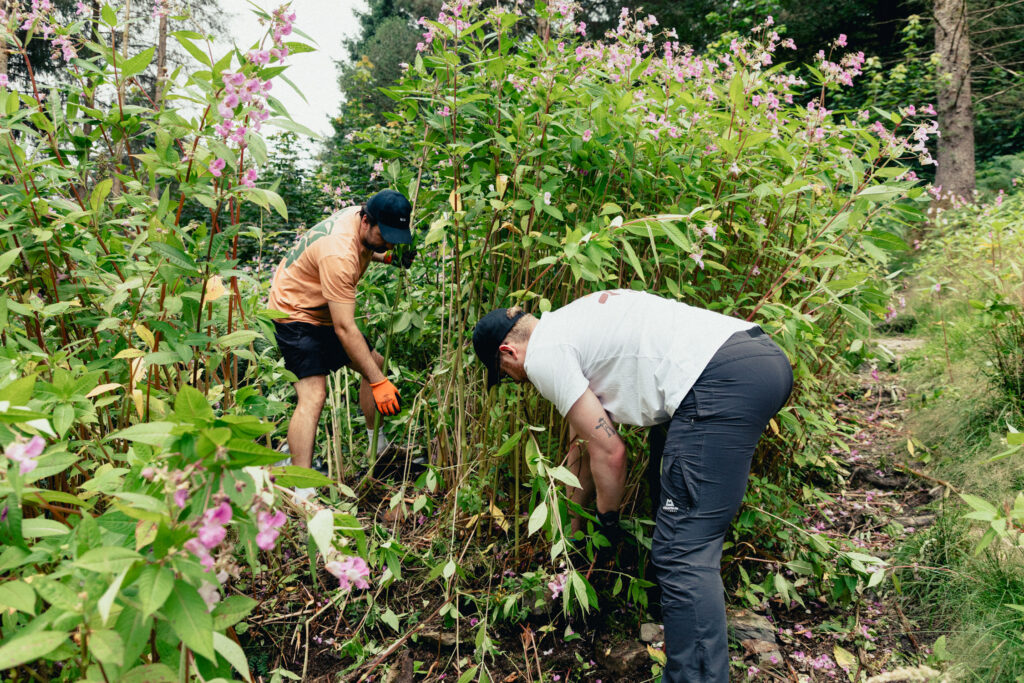
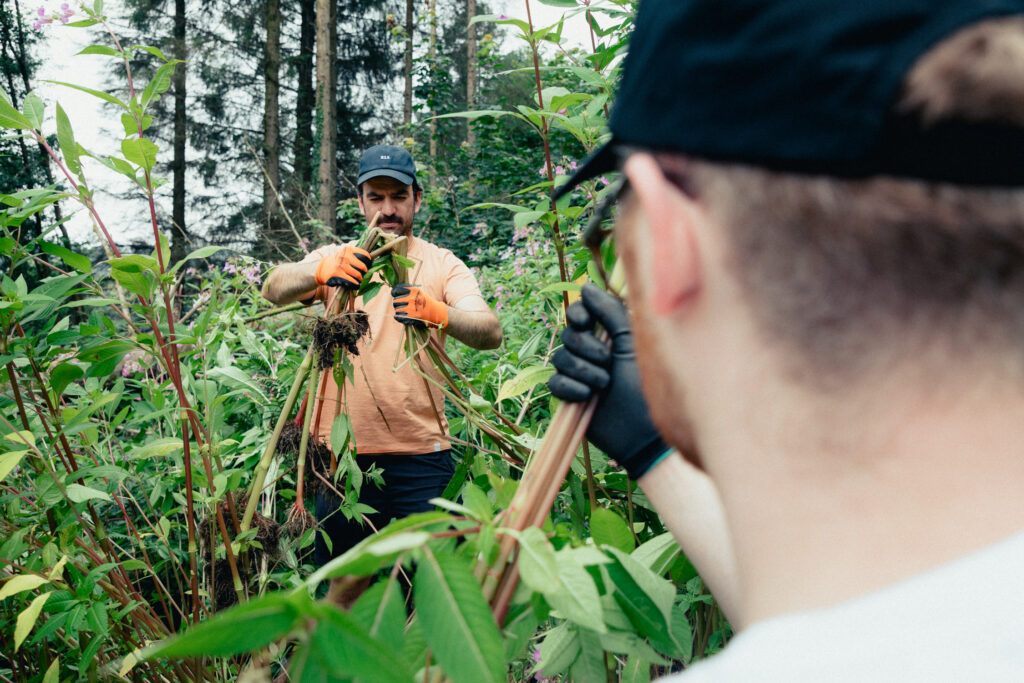
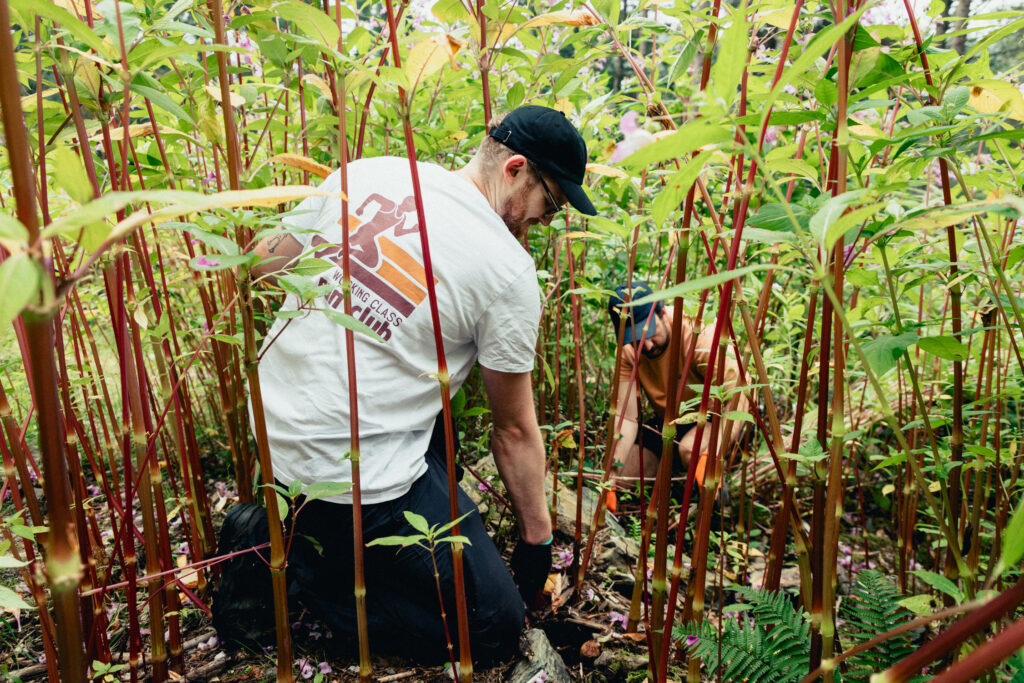
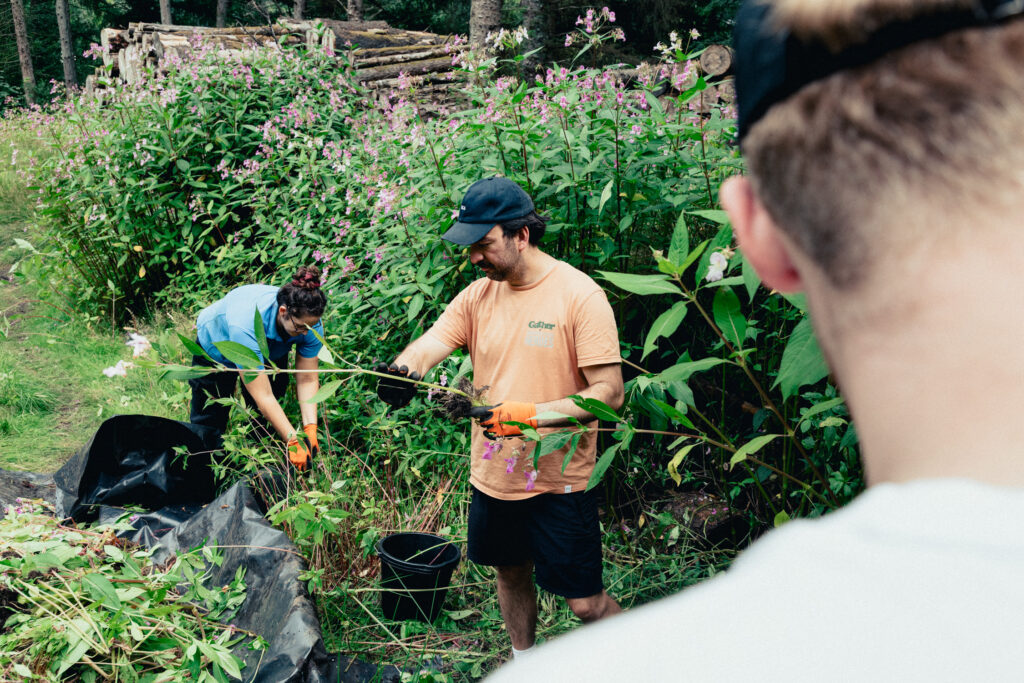
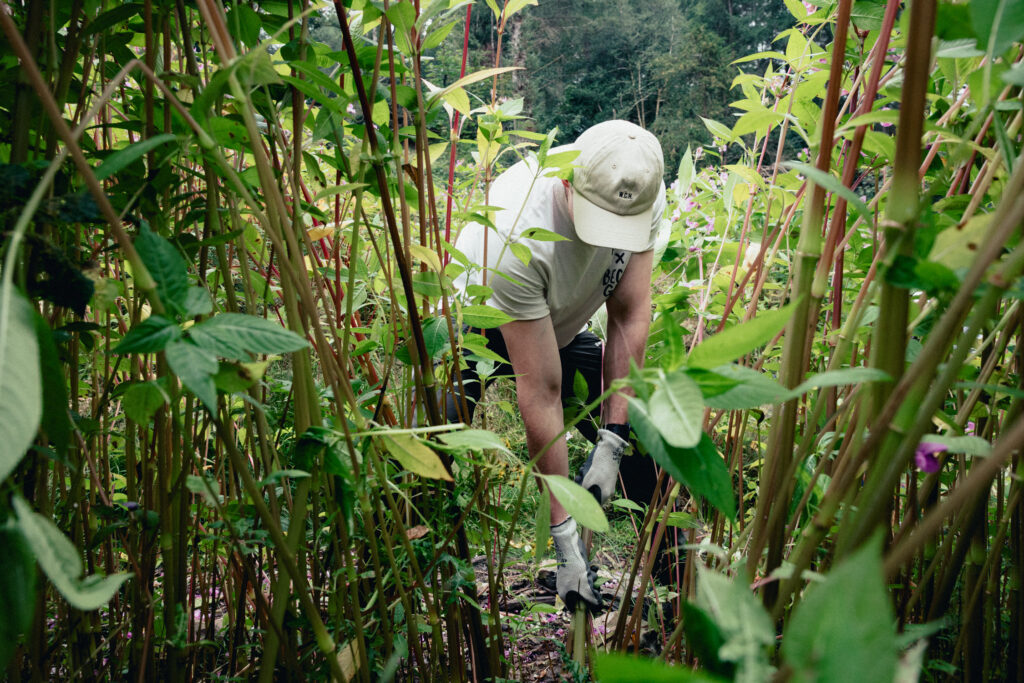
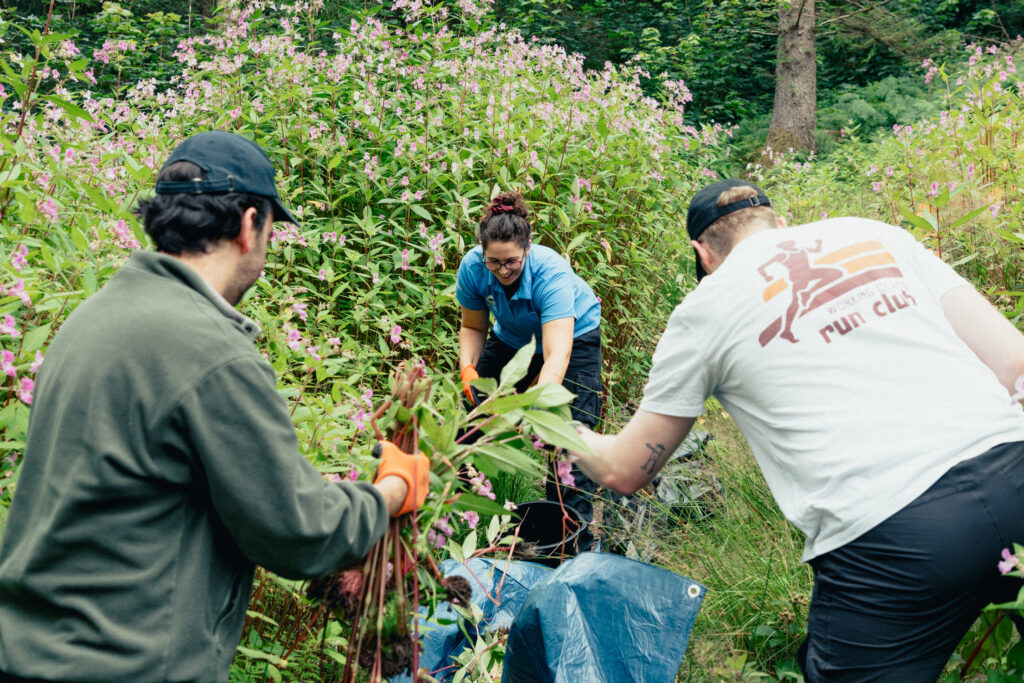
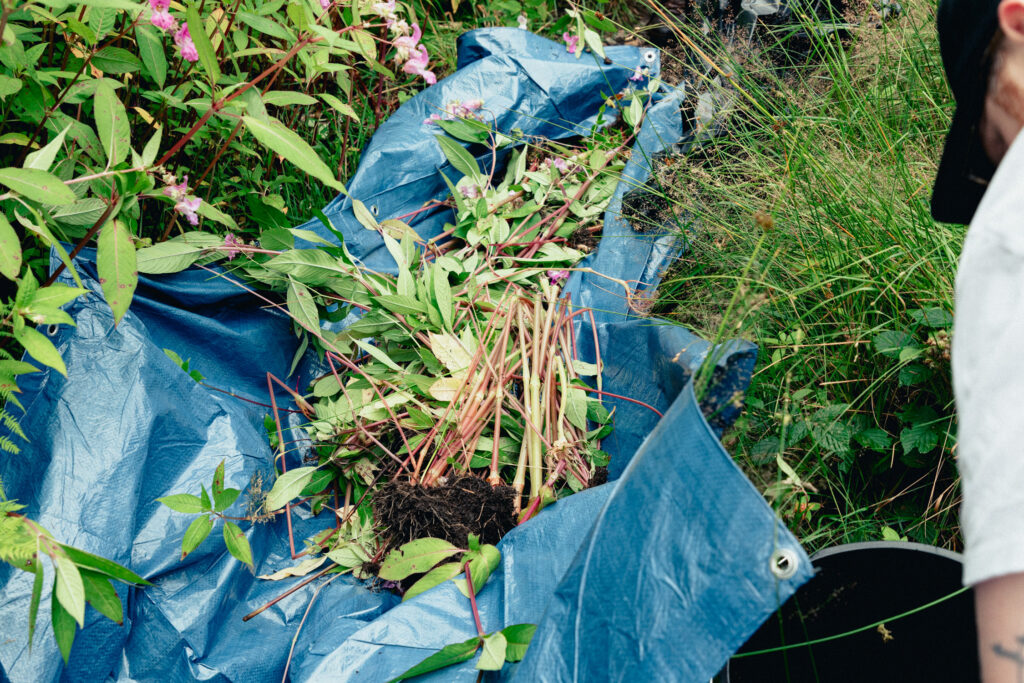
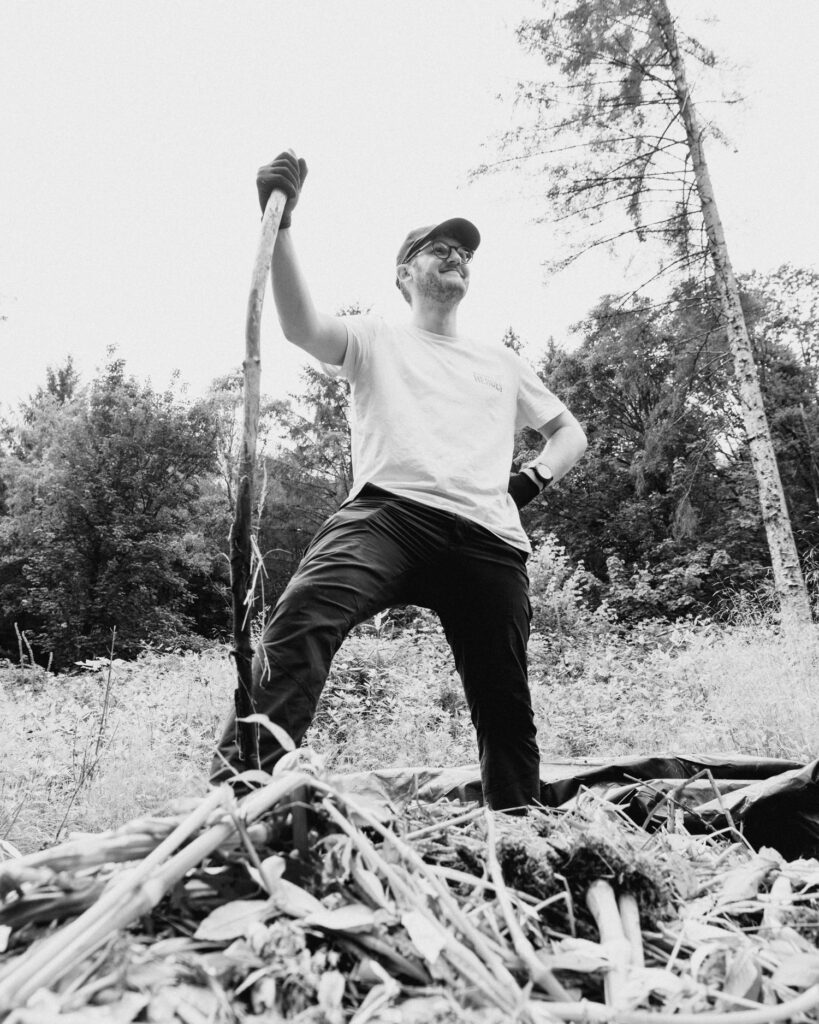
We had to be careful as some of the plants had seed pods that had matured, this meant they could explode and spread unwanted seeds if we weren’t careful. What we did was pull the plants from the ground, move them to a large tarp where we then broke the stems so they couldn’t reroot. This also meant if the pods did explode when we were breaking the stem they would fall on the tarp and not the ground.
Although we couldn’t ensure every seed was caught, future visits will be easier as the overall balsam presence will be reduced, making long-term maintenance more manageable.
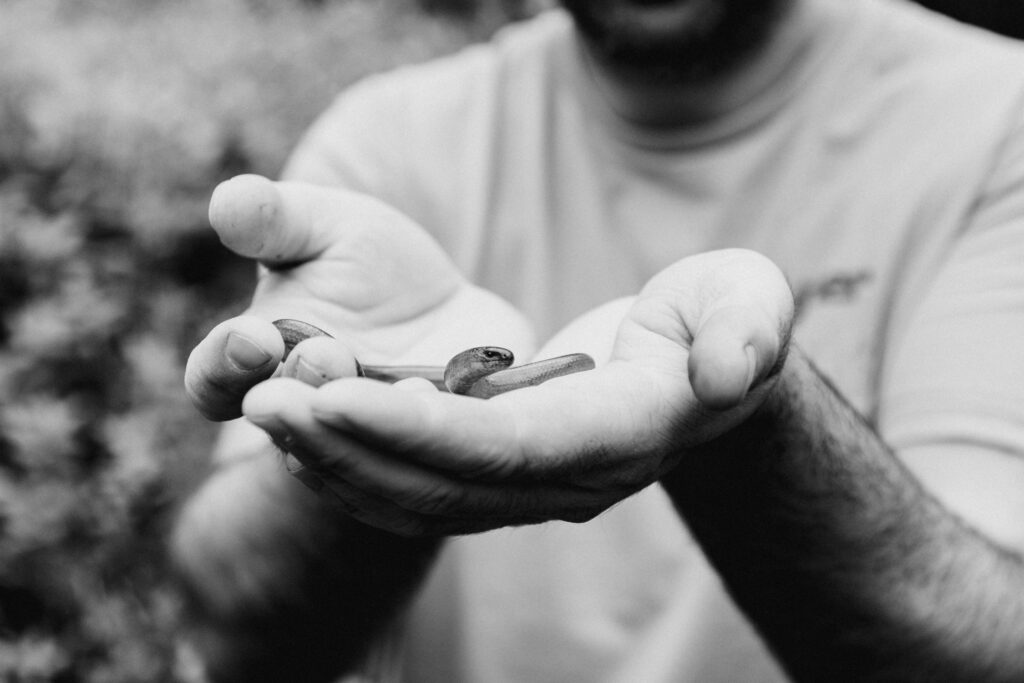
Whilst we we’re in the woods we also made the acquaintance of some friendly woodland locals.
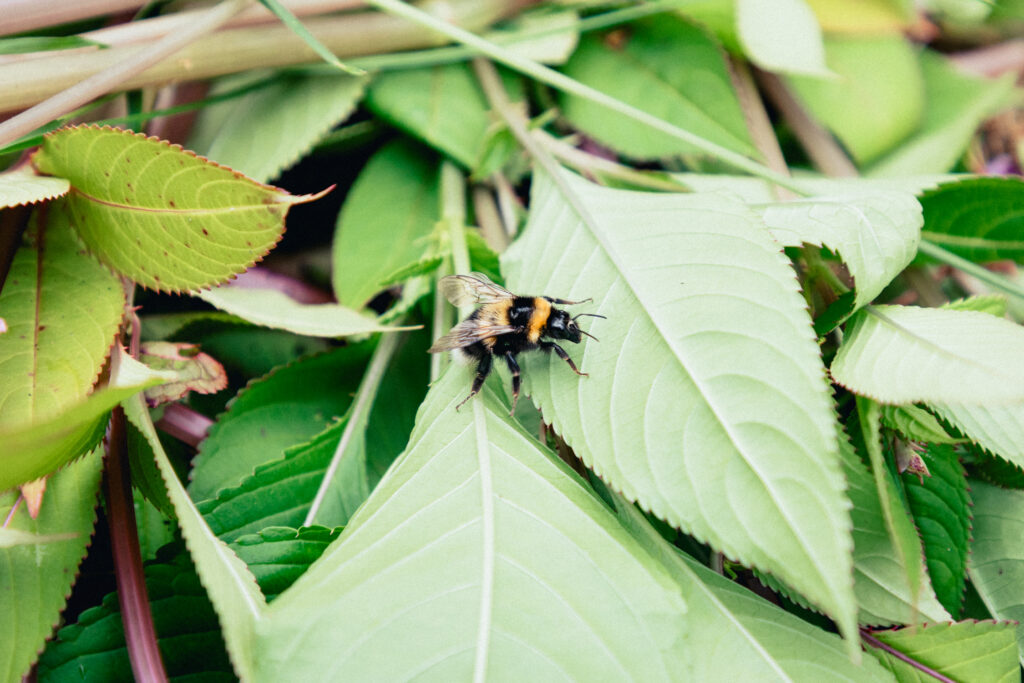
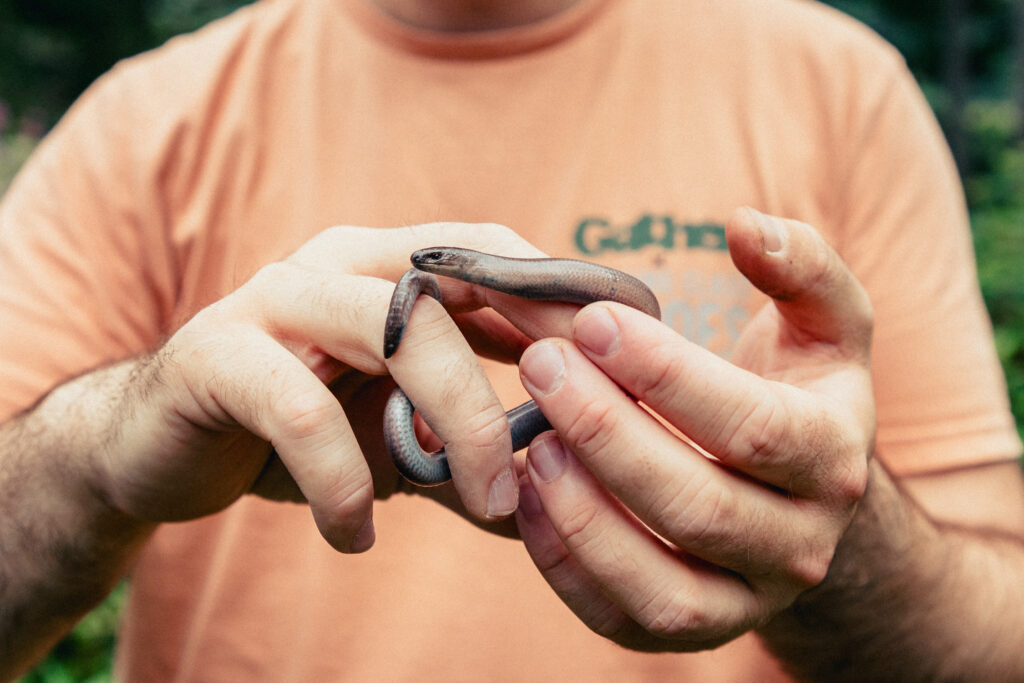
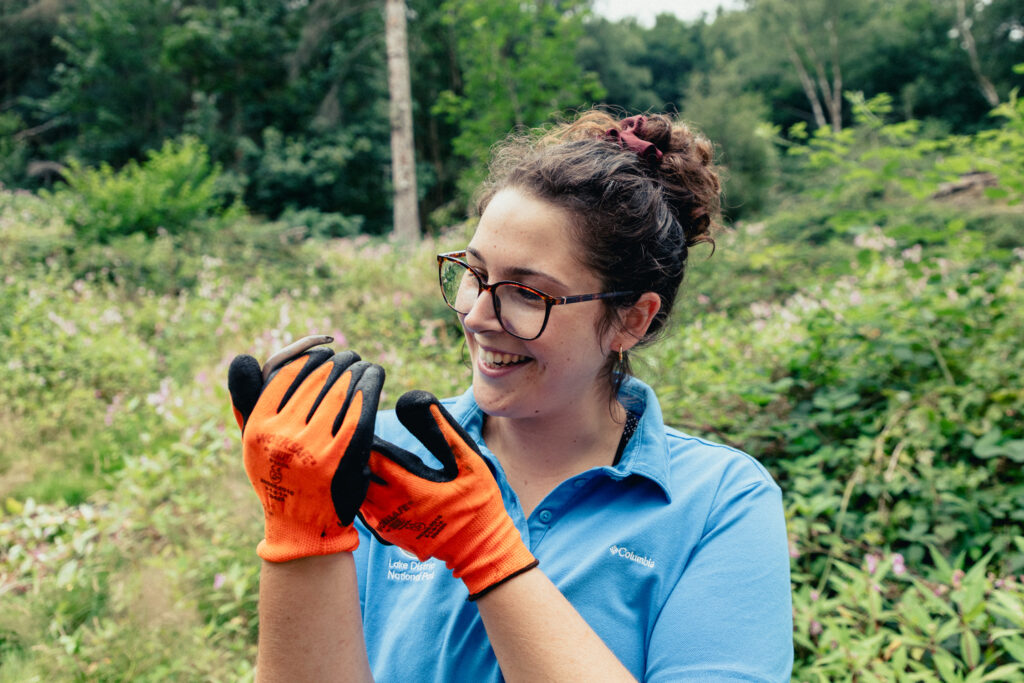
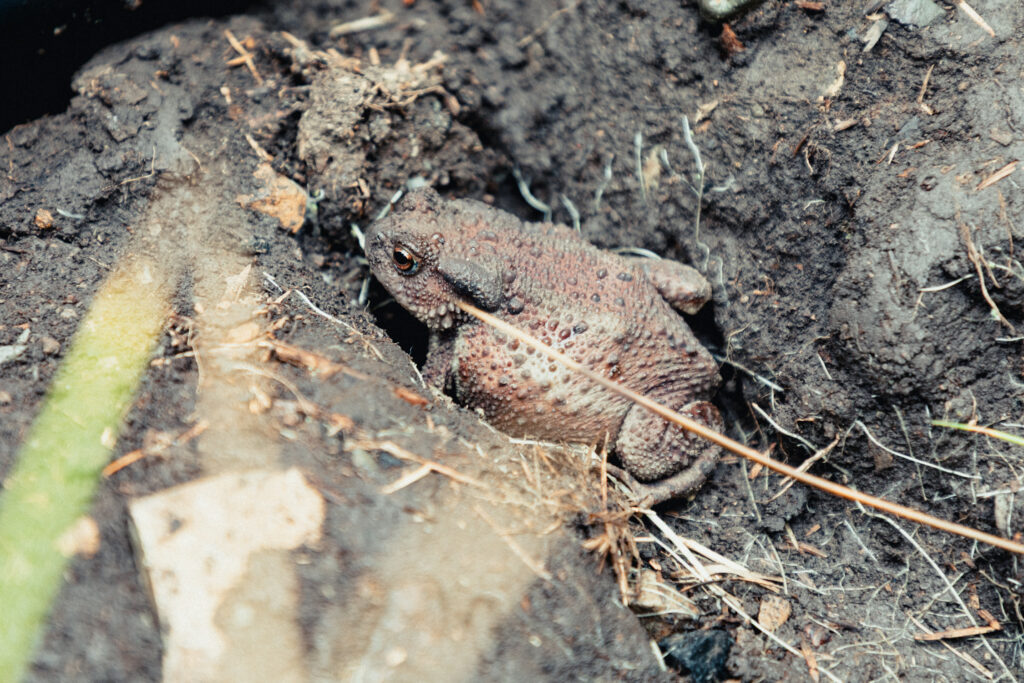
We also noticed that we saw a lot of bees and pollinating insects which we later learned was due to their preference to balsam blossom. While this sounds like a benefit of the plant it can mean that there is reduced pollination of local flora which can in turn affect local ecosystems.
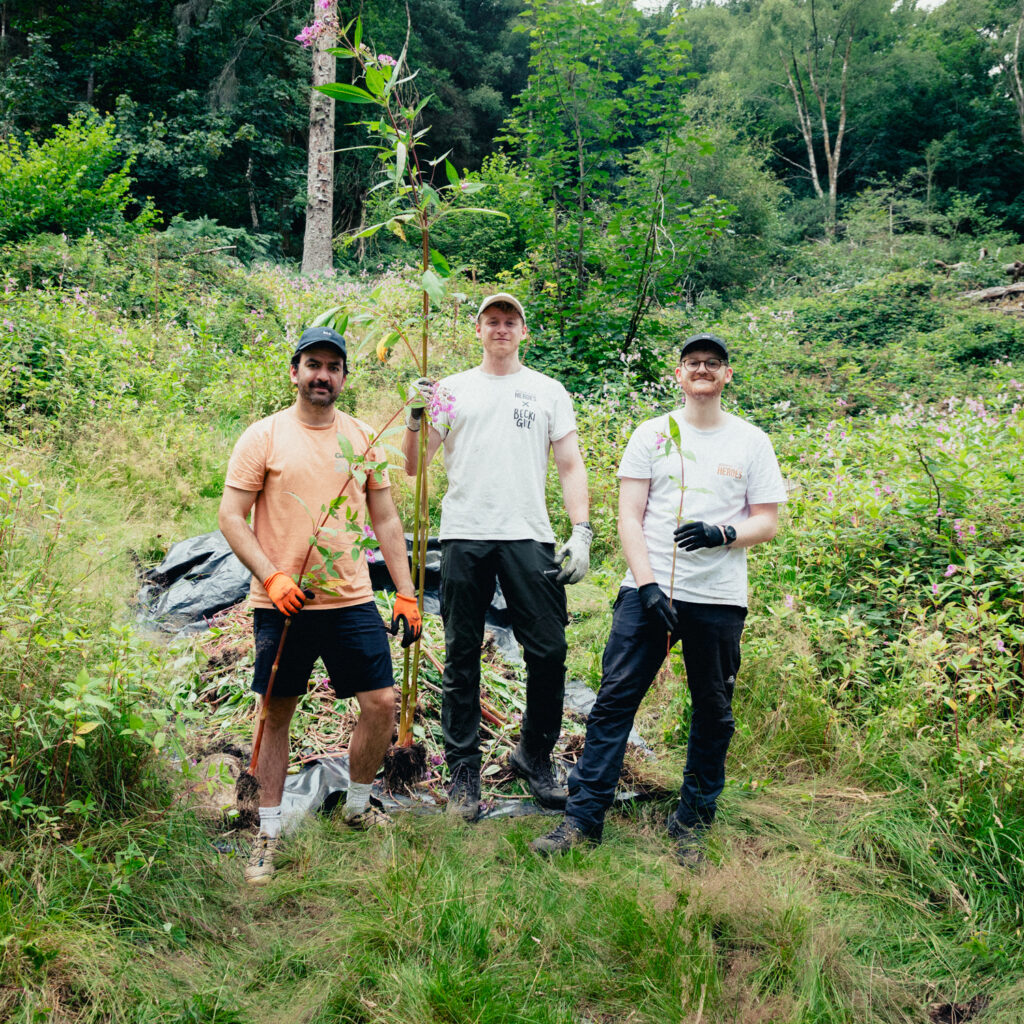
Another day well spent.

